

The Ultimate Guide to Planning Your Home Air Conditioning Installation
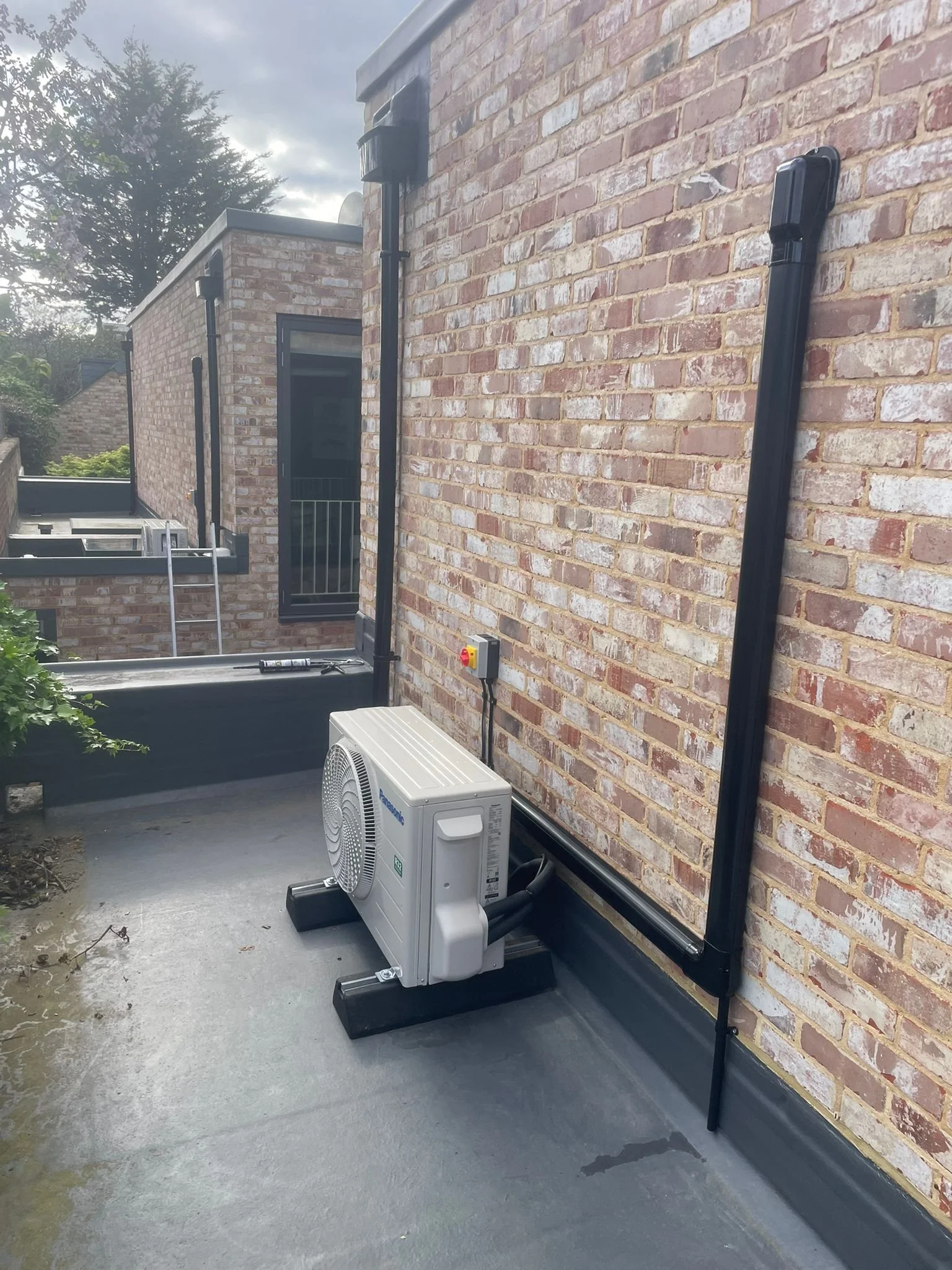
When the summer sun hits the South East, brick homes across Kent turn into giant storage heaters. If you spent last summer struggling to sleep, managing restless pets, or working from a stifling home office, you have probably considered installing residential air conditioning.
However, before making the investment, most homeowners are unsure about how the technology fits into their property, which rooms to prioritize, and what the installation process actually involves.
Modern domestic climate control is sleeker, quieter, and more versatile than ever before. Here is a practical guide on what to look for when planning the perfect setup for your home.
1. Choosing Between Single-Room or Multi-Room Systems
The first step in planning your system is deciding exactly which spaces need climate control. Residential setups generally fall into two main configurations:
Single-Room Systems (Split Systems): This is the most popular residential option, ideal for targeted comfort in a primary bedroom, a loft conversion, or a dedicated home office. It consists of one indoor wall unit connected directly to one discreet outdoor condenser.
Multi-Room Networks (Multi-Split Systems): If you want to control the temperature across multiple bedrooms or an entire floor, a multi-split system is the answer. This configuration allows you to link multiple indoor units to a single, powerful outdoor condenser. It keeps the exterior of your property looking tidy by eliminating the need for multiple outdoor boxes, while letting you set entirely different temperatures in each room.
2. Finding the Right Location for Your Units
Placement is key to ensuring your air conditioning performs at its best without disrupting your home’s aesthetic or your daily life.
Indoor Units: High wall-mounted units are standard because they distribute air evenly across the room. In bedrooms, we position the unit so the air doesn't blow directly onto your face while you sleep, creating a more natural, comfortable environment.
Outdoor Condensers: These need to be placed in a well-ventilated area with clear space around them to dissipate heat. They can be mounted at ground level on rubber anti-vibration feet, or fixed safely to an external wall using heavy-duty brackets.
3. Year-Round Versatility: Cooling and Heating
A common misconception is that home air conditioning is only useful for a few weeks in July and August. In reality, modern systems are engineered to provide total climate control 365 days a year.
Because these units are sophisticated air-to-air heat pumps, they are incredibly efficient at heating. During the chilly shoulder months of autumn and spring, you can use your air conditioning to instantly heat a single space—like your living room in the evening or an office during the day—without needing to fire up your entire gas central heating system.
4. Technical Considerations for the Perfect Fit
When an engineer conducts a professional home assessment, they look at several structural details to ensure a flawless installation:
Structural Pipe Routes: Copper pipework and electrical cables need to run between the indoor and outdoor units. Keeping these runs short and direct makes for a neater finish.
Wastewater Drainage: As air conditioners cool a room, they naturally remove moisture from the air. This condensation needs to drain away outside safely. In spaces like loft conversions, a tiny internal pump may be added to push this water away quietly.
Electrical Capacity: Air conditioning units require a dedicated, safe power supply. Working with a team that has in-house, fully certified electricians means any necessary modifications to your electrical setup can be handled seamlessly as part of the job.
Invest in 365 Days of Total Comfort
Residential air conditioning is a long-term investment in your quality of life. It guarantees a perfect night’s sleep in the summer, fast heat in the winter, and cleaner indoor air throughout the seasons thanks to advanced built-in filtration systems that trap dust and allergens.
At Smart Plus Heating, our F-Gas qualified local engineers manage everything from the initial design to registering your manufacturer warranties with premium brands like Panasonic and Daikin.
Explore our Air Conditioning Solutions or Get in touch with us today on 01322 474990 to book your free home survey across Dartford, Kent, and the South East.
Need Heating Or Air Conditioning Help?
Our Gas Safe and F-Gas registered engineers cover Dartford, Bexleyheath, Gravesend and across Kent. Get a free, no-obligation quote today.